

About Bristol Rendering Specialists
Commercial, Industrial & Domestic
Beyond the energy savings, many of our clients find that the ‘curb appeal’ alone adds between 5% and 10% to their property’s valuation, often exceeding the initial cost of the work within the first year. Slash your energy bills today with insulation rendering, saving you £1000s on energy bills over its lifespan and get instant increases to your property value.
Our Head Office is located in Bristol, but Bristol Rendering Specialists cover the United Kingdom. The majority of our work is centred around the South West, South Wales and M5 corridor, but we are happy to talk to you about any project.
We have a strong team of expert craftsmen who are all fully trained, insured and up to speed with the latest applications and health and safety training. Be it domestic housework, external render, internal plastering, or managing a new build housing estate or commercial projects, Bristol Rendering Specialists has the knowledge and expertise.
Get in Touch
Book a site visit or give us a call to discuss your project.
External Wall Insulation
Energy Saving Solutions
Save £1000’s on your energy bills. Licensed installers of external wall insulation. Plus up to £4000 government cashback on solid external wall insulation.
Call us today and find out if you are eligible.
Domestic Rendering
Render Specialists Bristol
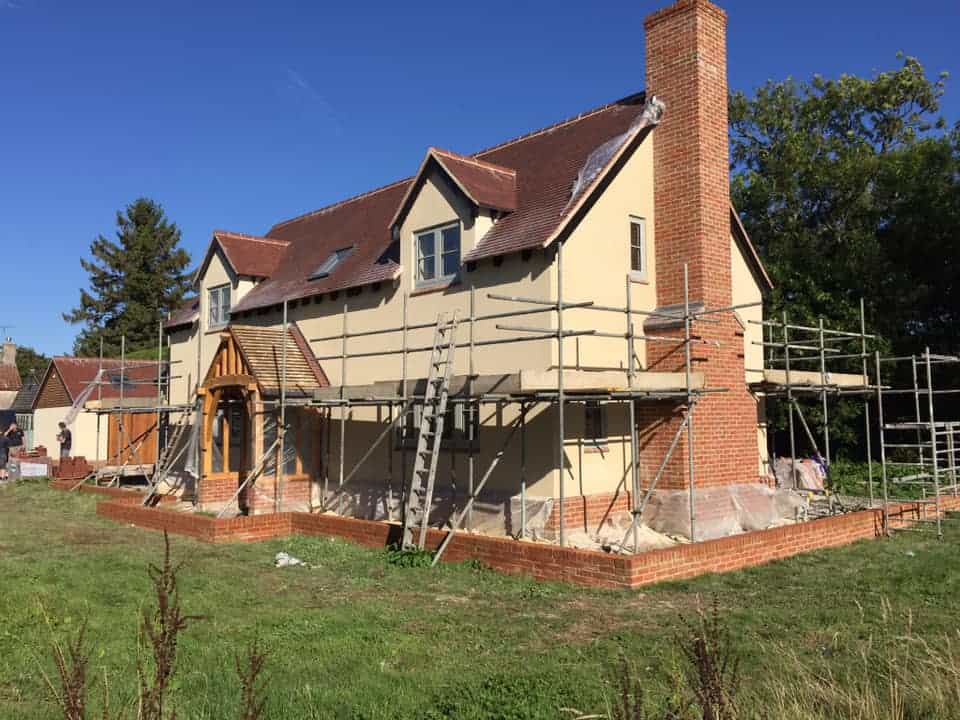
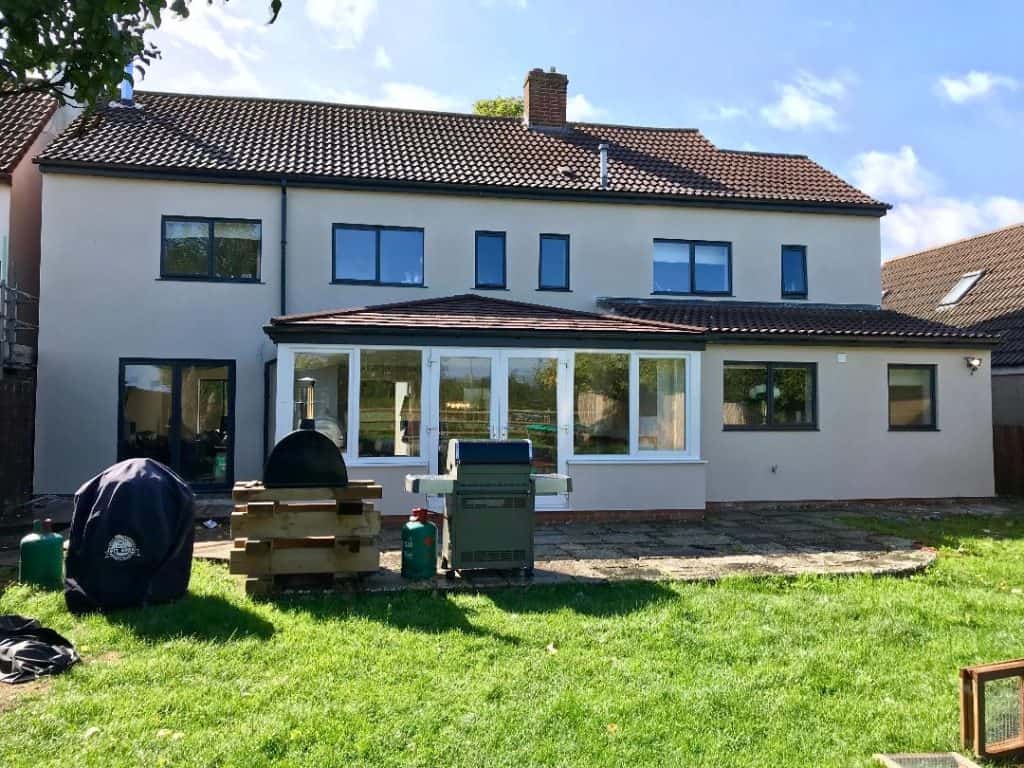
Bristol Rendering Specialists Ltd are regarded as one of the UK’s leading plastering contractors and experts in the field of rendering.
For any-sized project, call us for more information or to discuss your requirements.
Get in Touch
Book a site visit or give us a call to discuss your project.
Finance Available
What is Render and How Does it Benefit My Property?
Rendering is a service that is used to improve the external walls of properties to improve their look and to defend the property against elemental damage. Rendering is commonly used for older properties to improve their aesthetic and to improve insulation. External wall insulation can also be added, should you require this to increase your property’s thermal efficiency. This saves you money on your energy bills and makes a faster return on your investment. Rendering has become more and more popular, especially in combination with external wall rendering to improve your property value and save you money each year on your energy bills. And with finance available to help offset the original cost of your investment in manageable monthly repayments, there’s never been a better time to invest in rendering.
Saving Money on Your Energy Bills
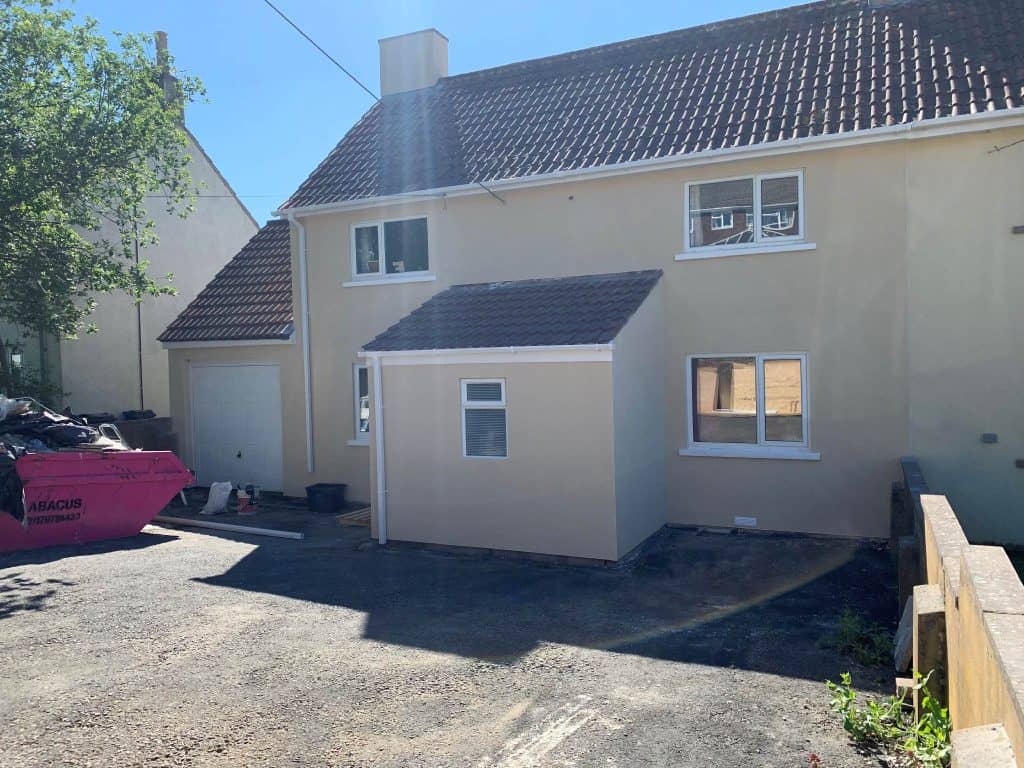
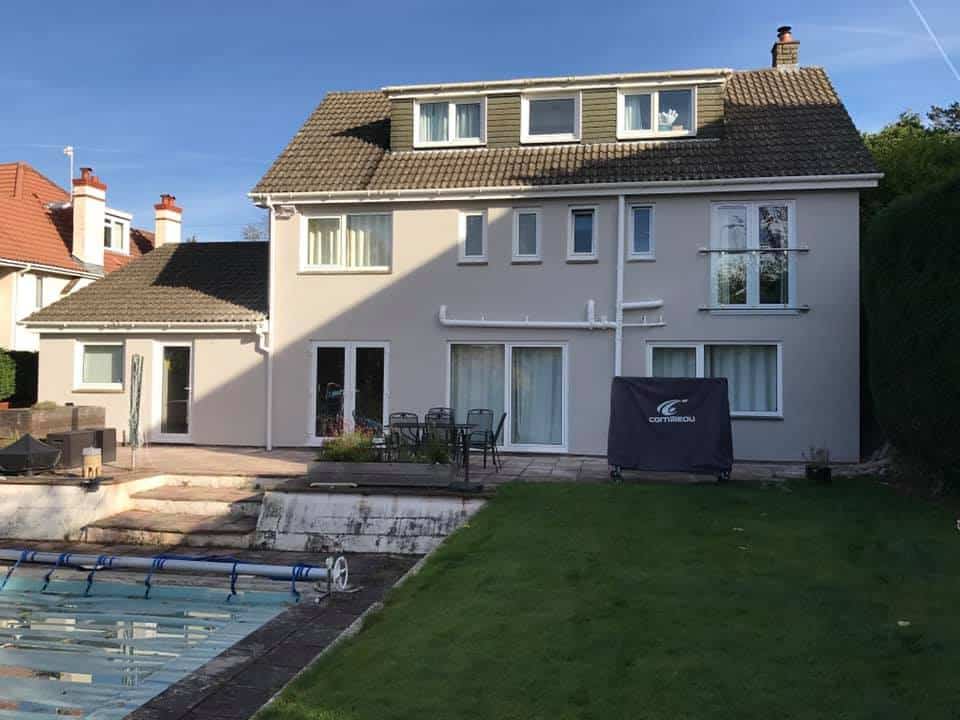
Your walls lose on average up to 30 to 35% of the total heat of your property. This results in huge heat loss in the winter and makes your heating a lot less energy efficient. Investing in external wall insulation with rendering saves you money on your energy bills, especially if you have an older property and/or you combine your external wall insulation with other insulation products. Because you are investing in your property’s energy efficiency, external wall insulation is known to increase property value.
Which Properties Are Appropriate For Rendering?
Rendering is a service that is used to improve the external walls of properties to improve their look and to defend the property against elemental damage. Rendering is commonly used for older properties to improve their aesthetic and to improve insulation. External wall insulation can also be added, should you require this to increase your property’s thermal efficiency. This saves you money on your energy bills and makes a faster return on your investment. Rendering has become more and more popular, especially in combination with external wall rendering to improve your property value and save you money each year on your energy bills. And with finance available to help offset the original cost of your investment in manageable monthly repayments, there’s never been a better time to invest in rendering.
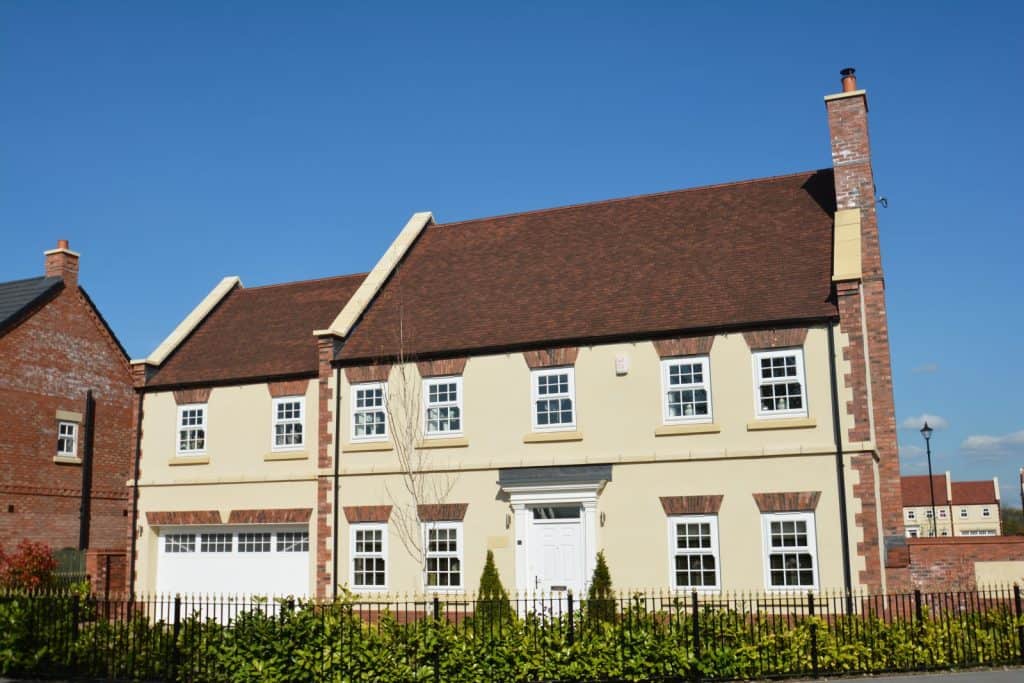
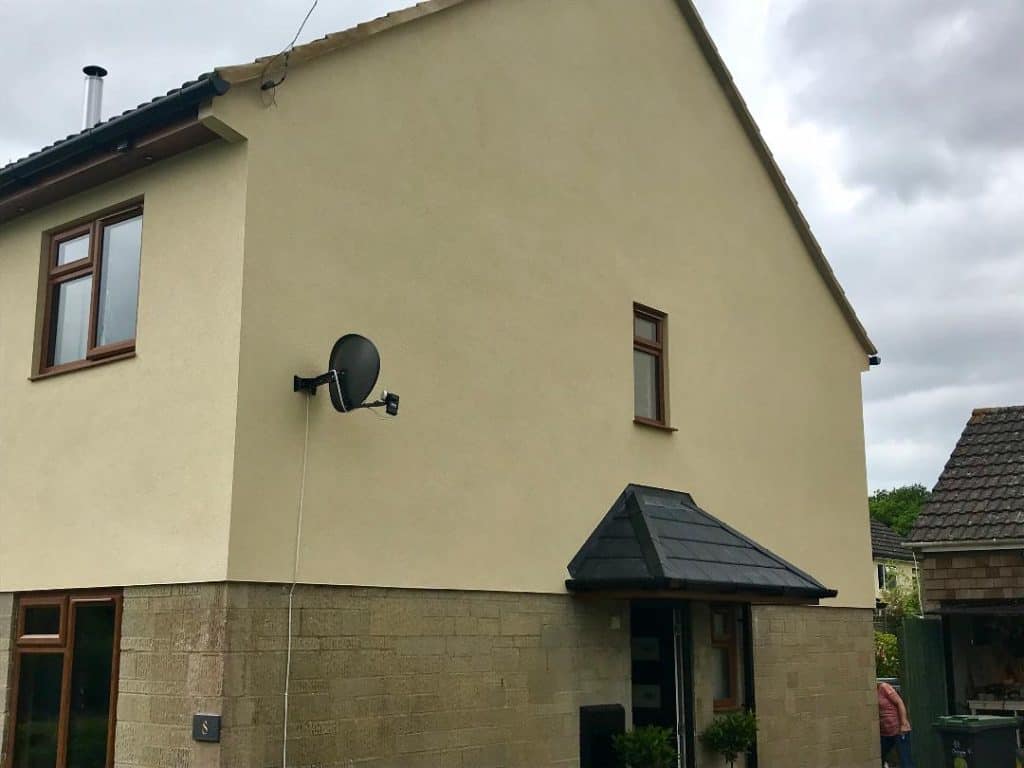
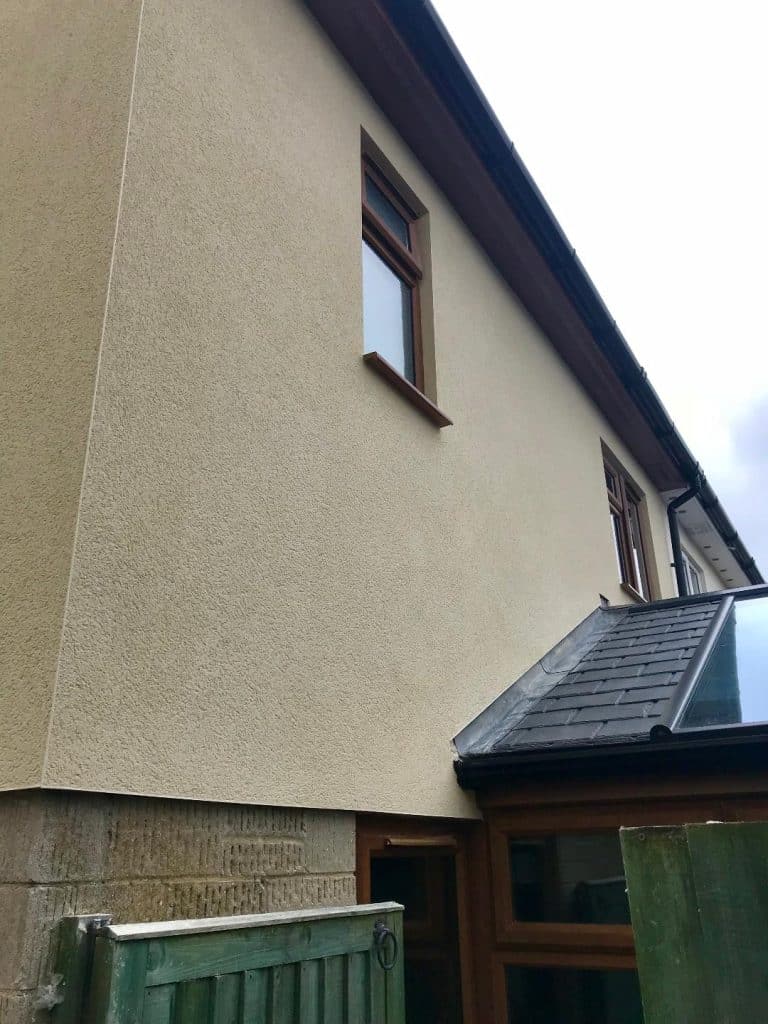
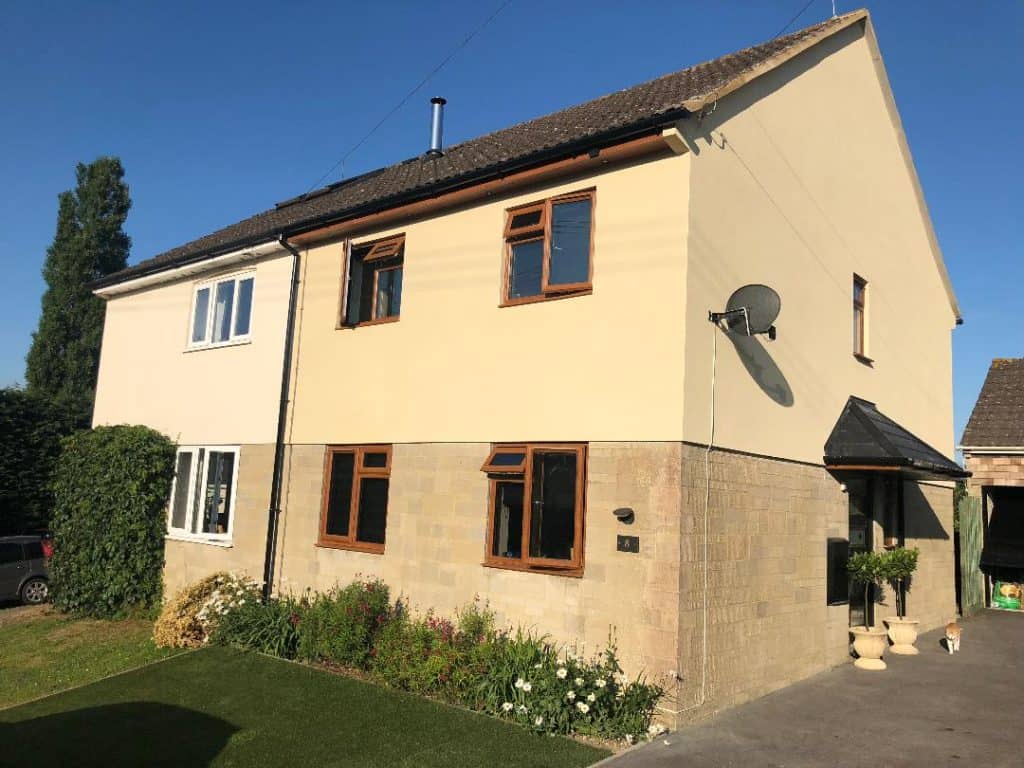
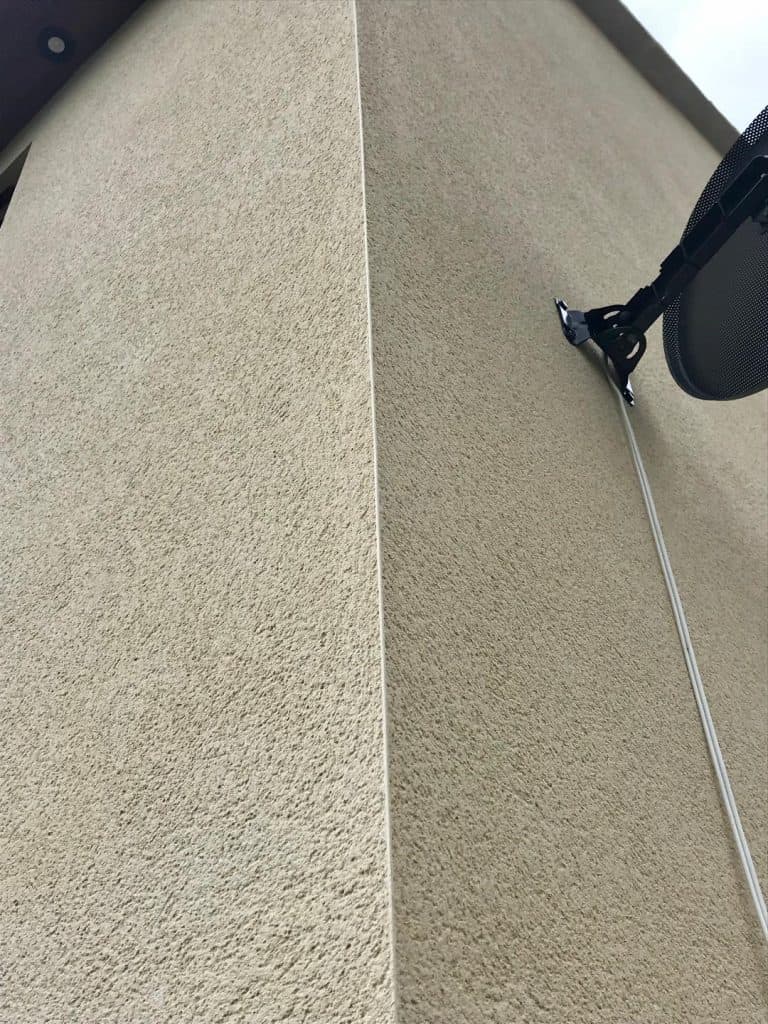
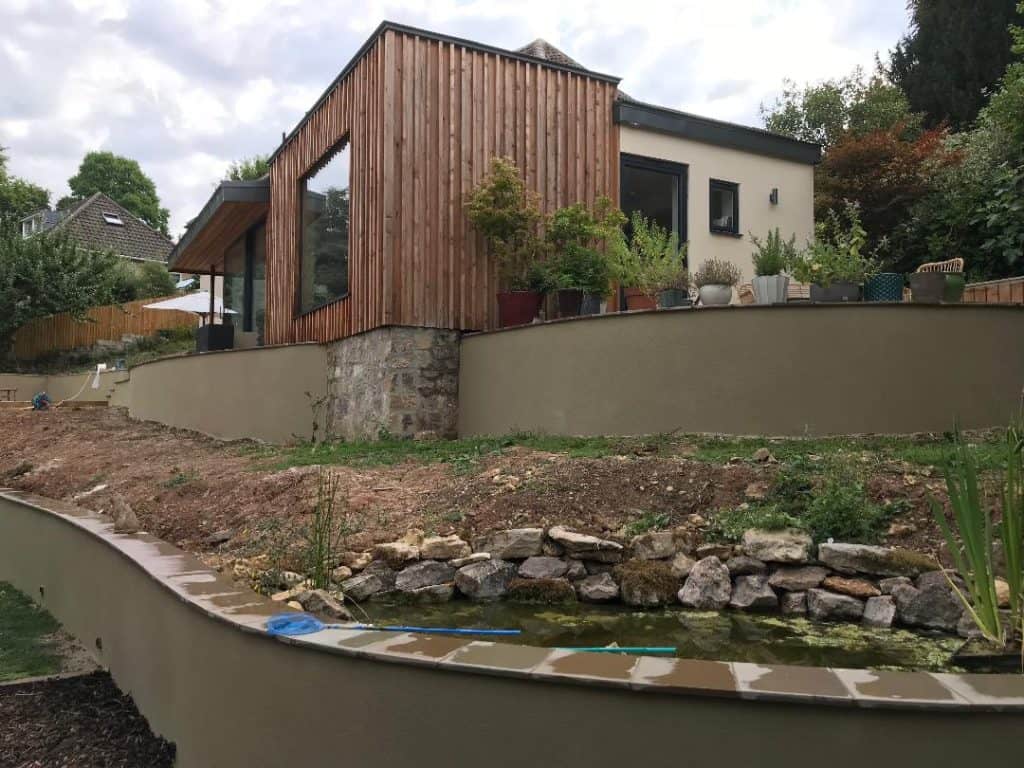
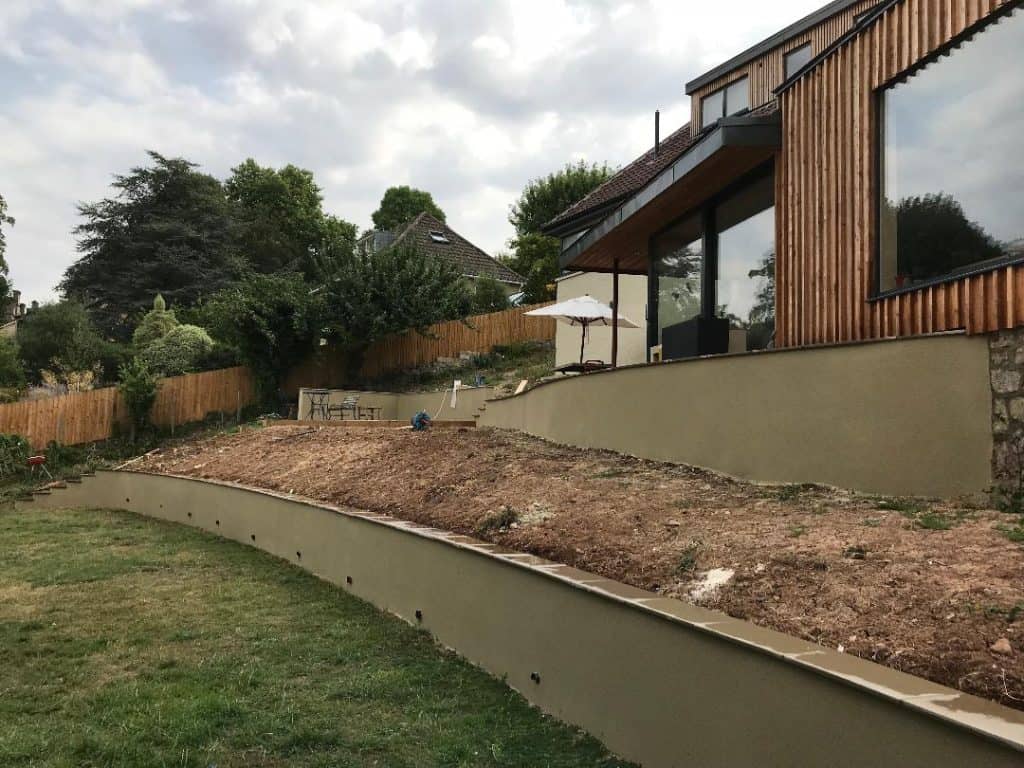
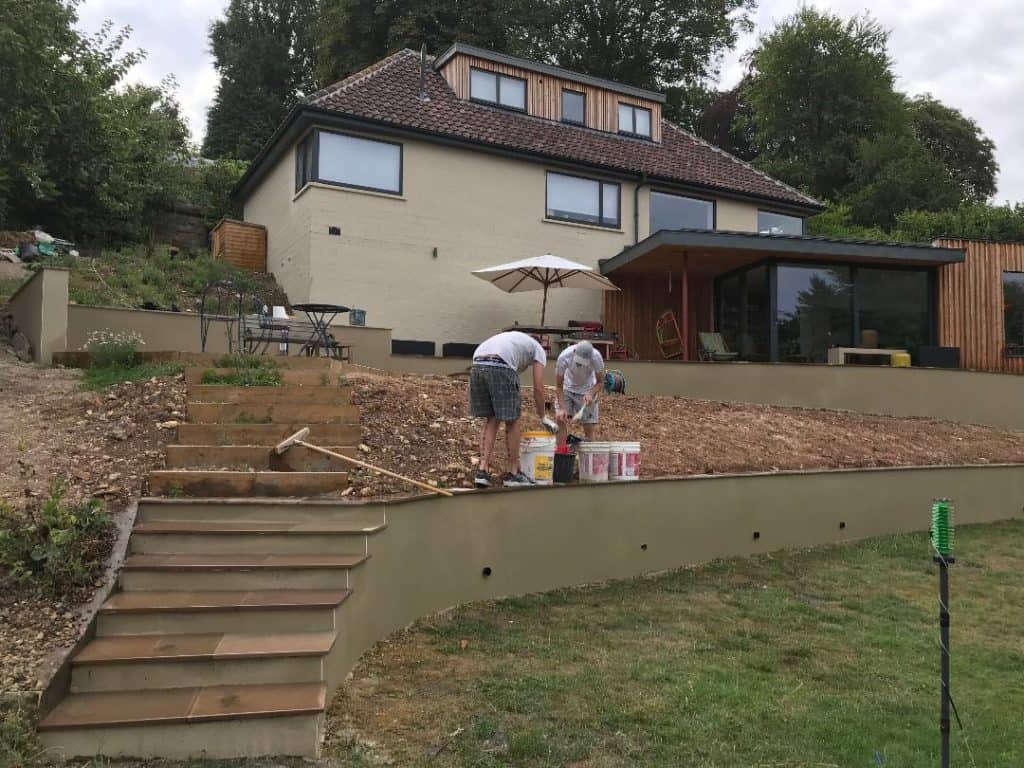
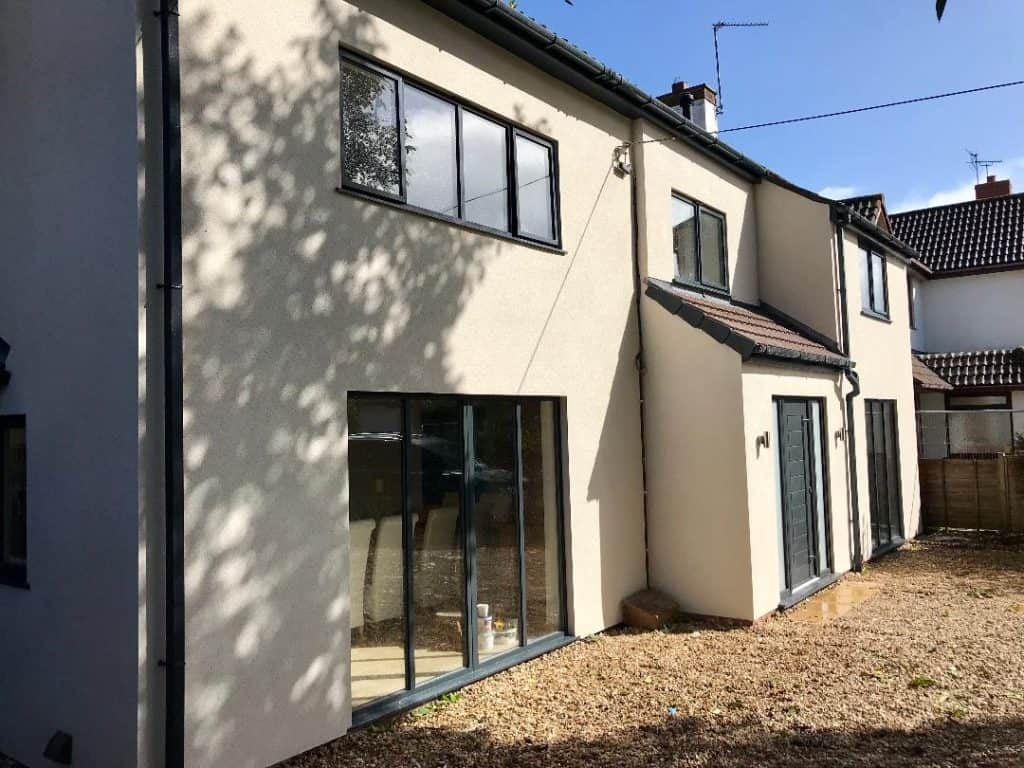
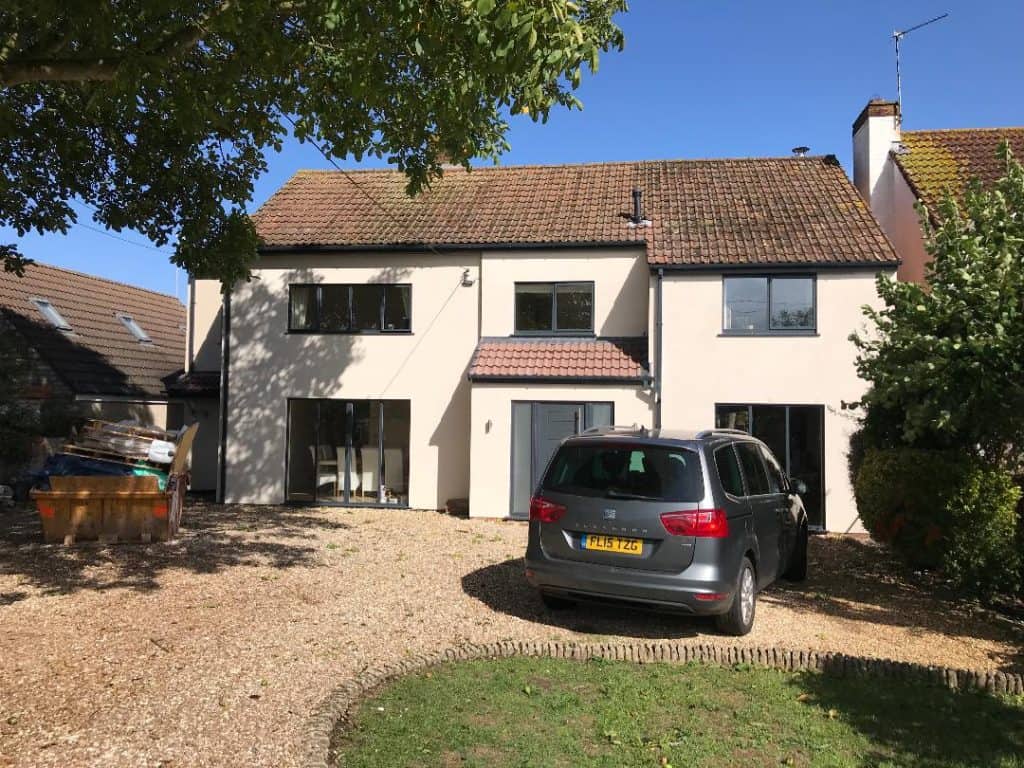
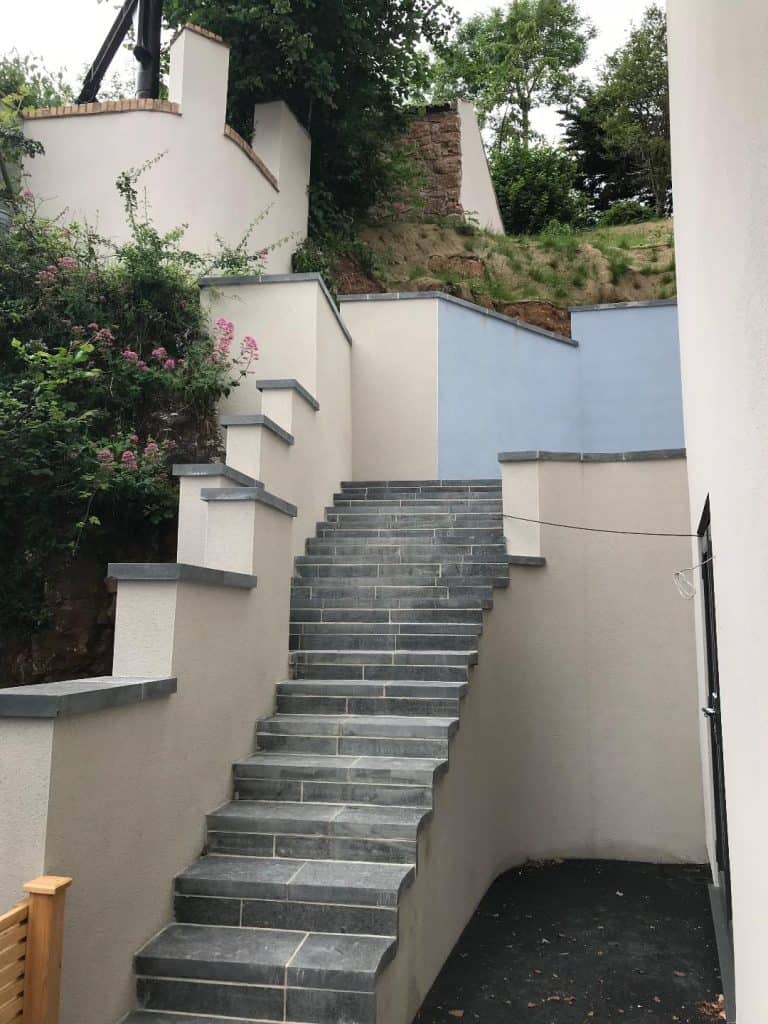
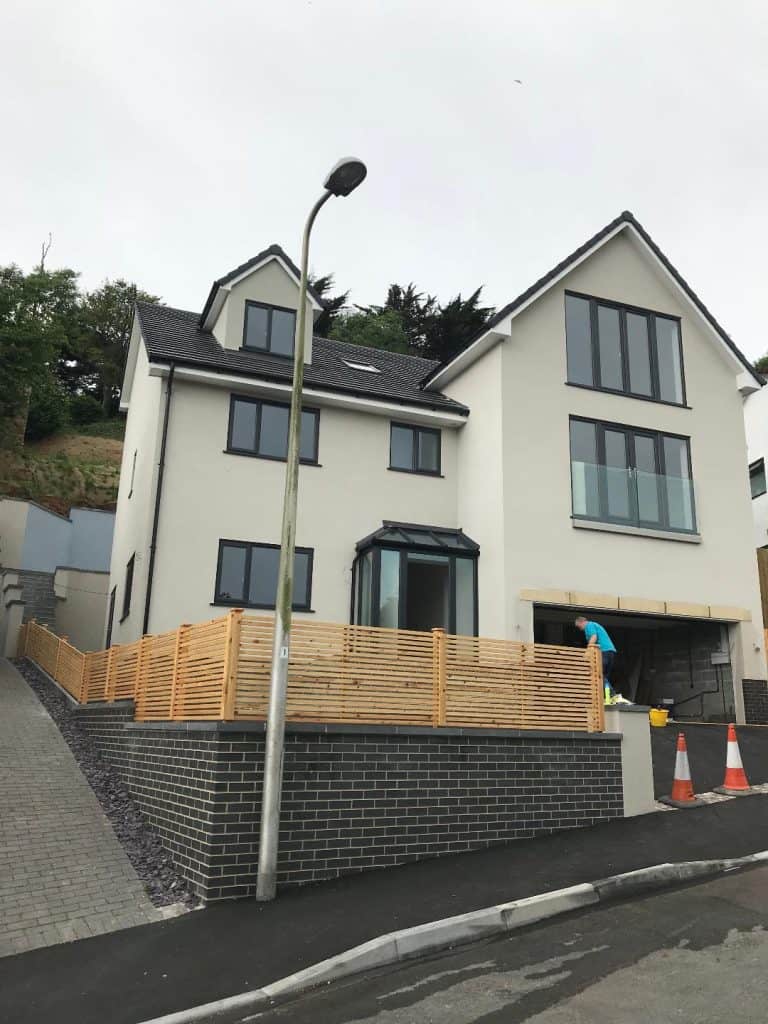
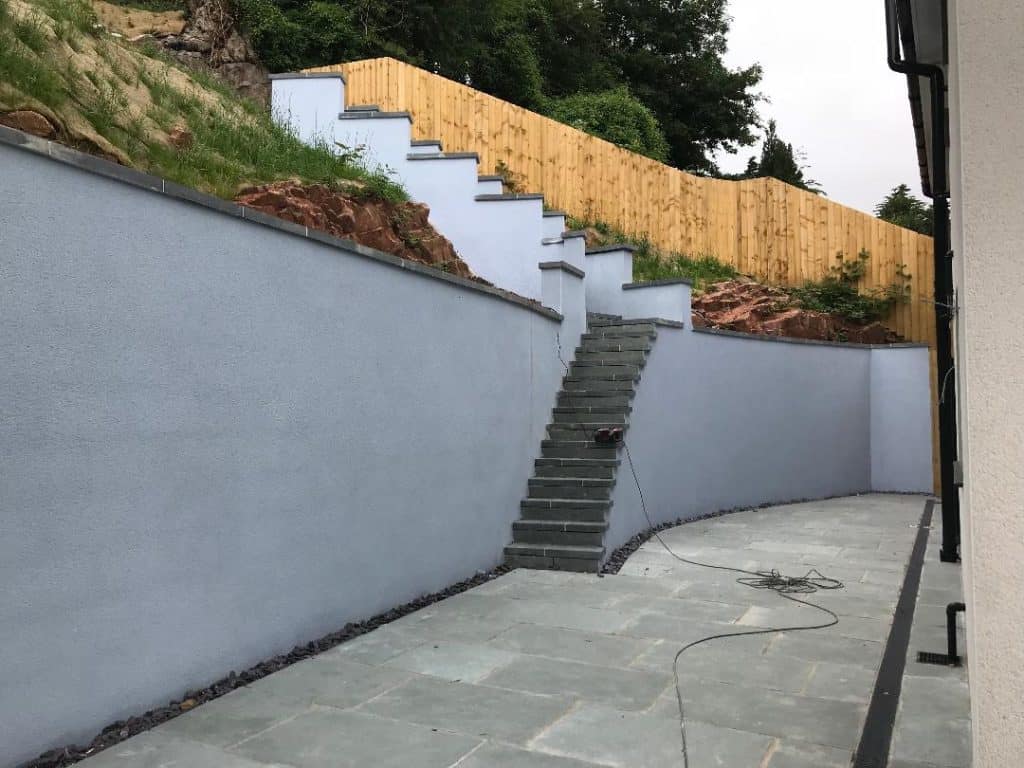
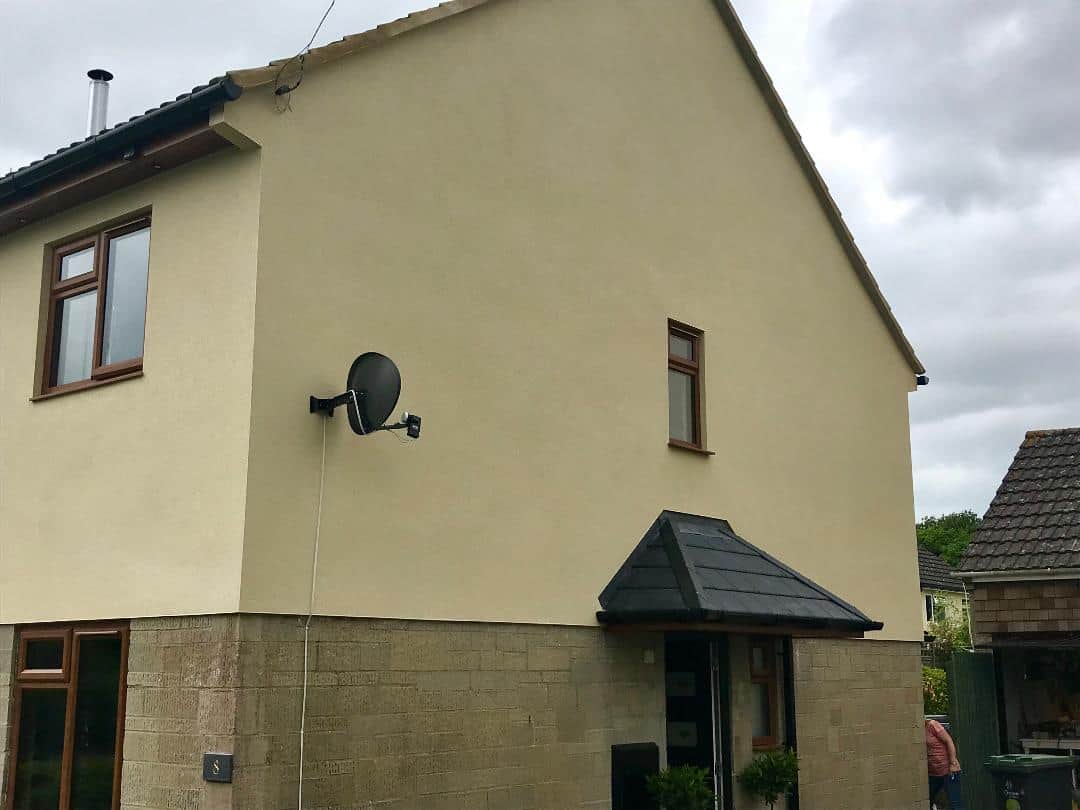
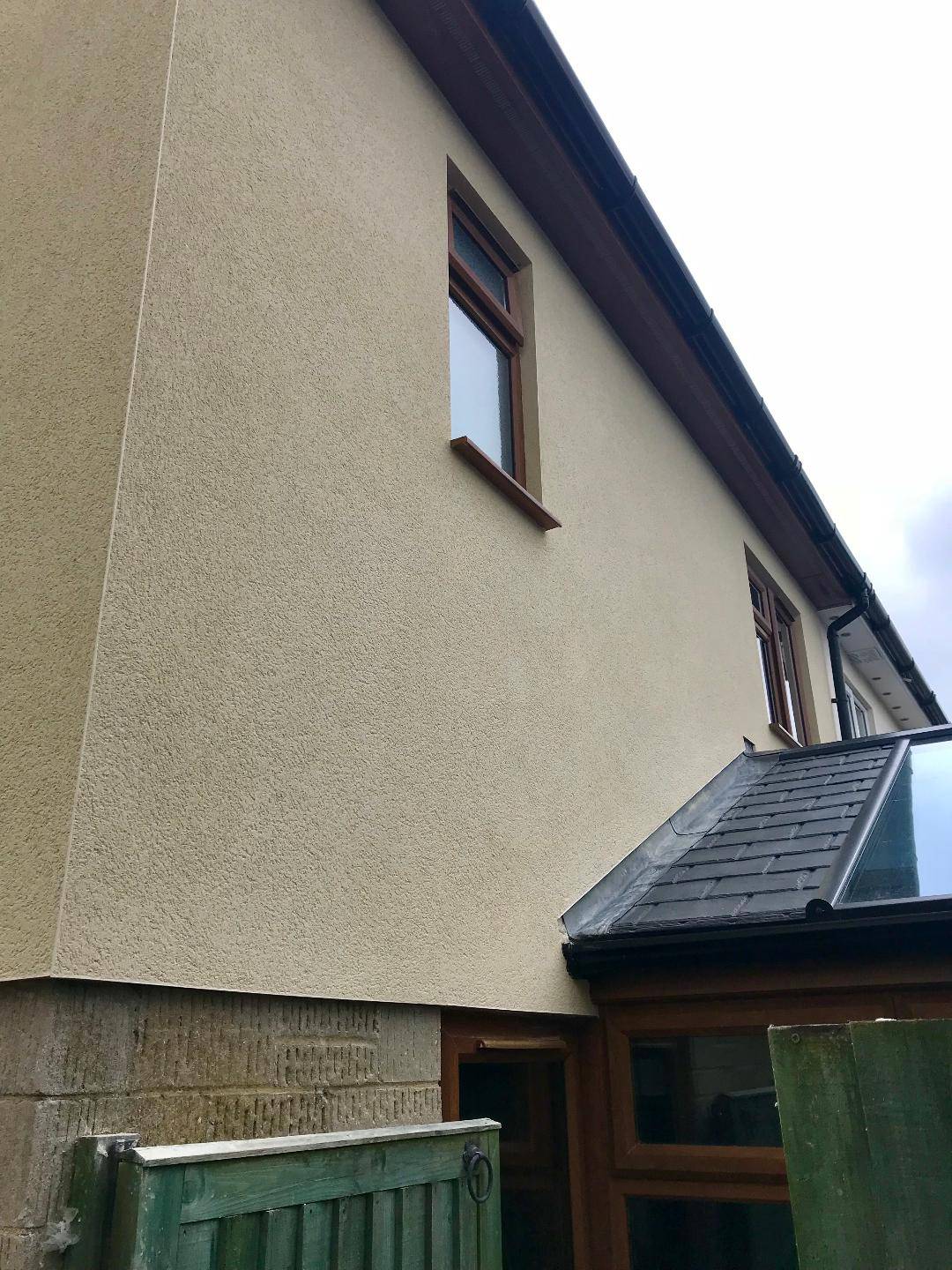
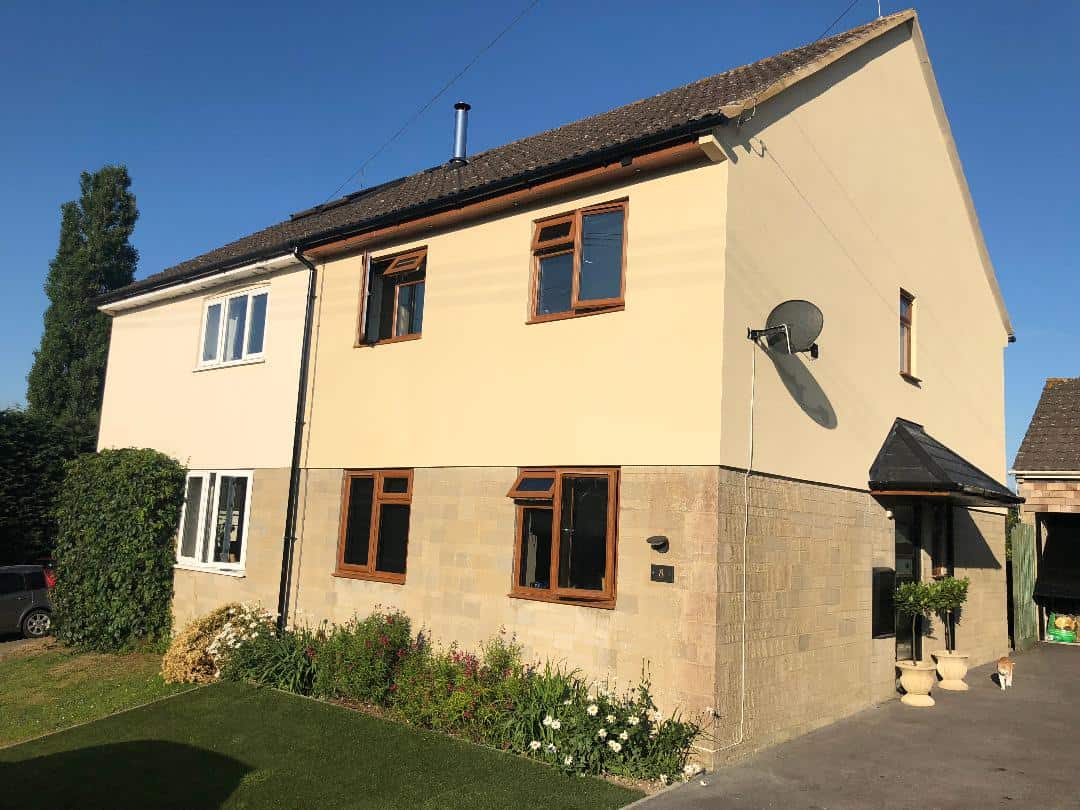
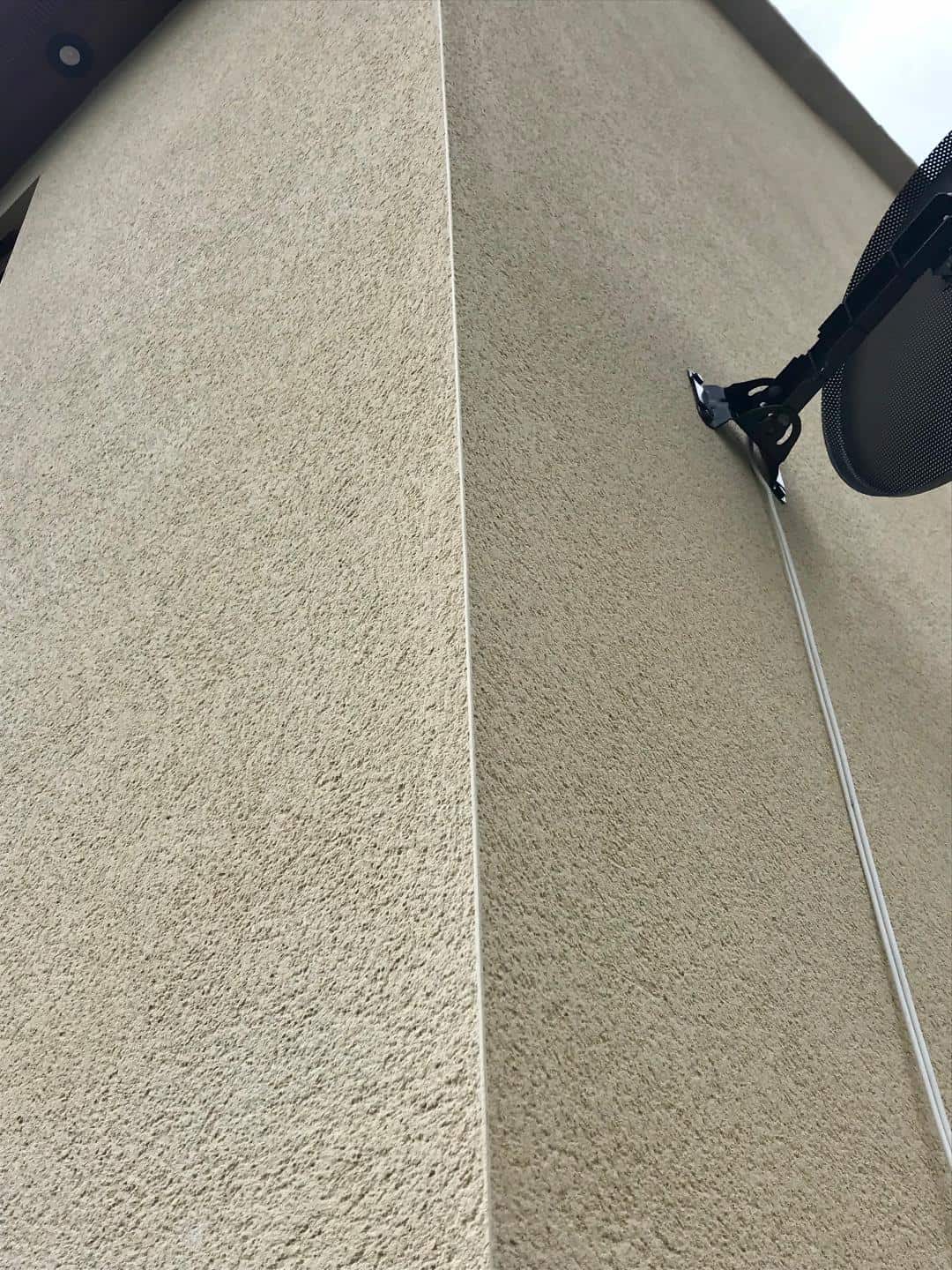
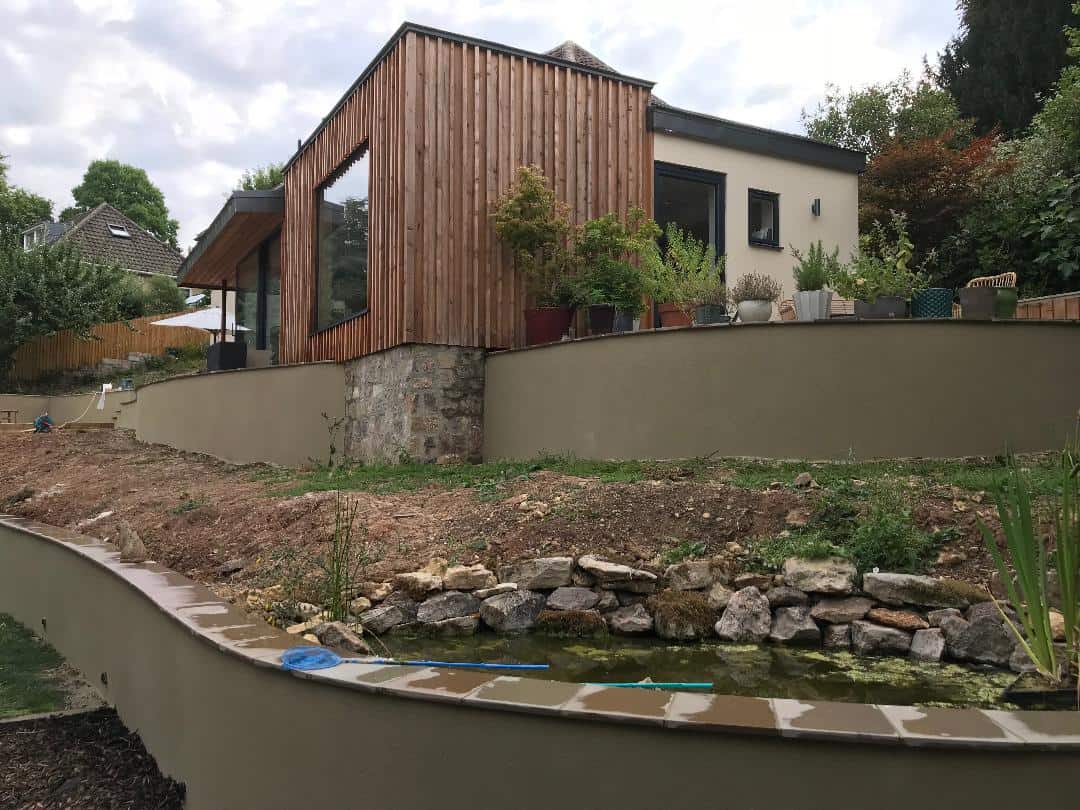
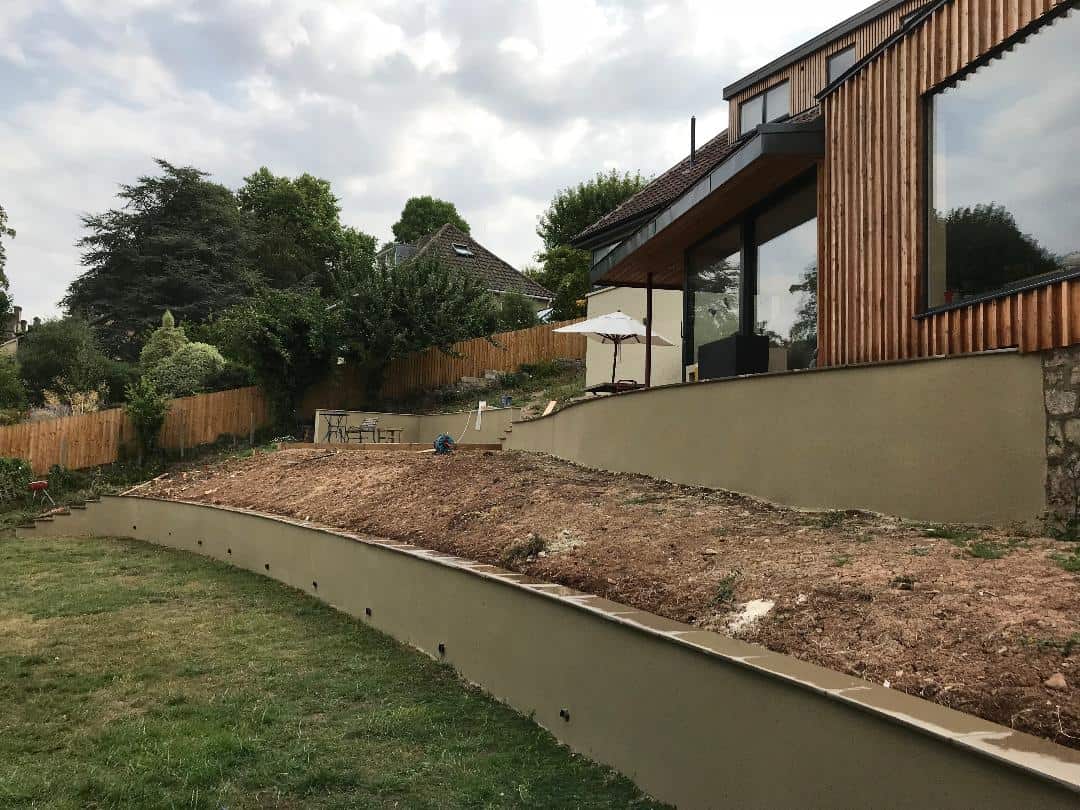
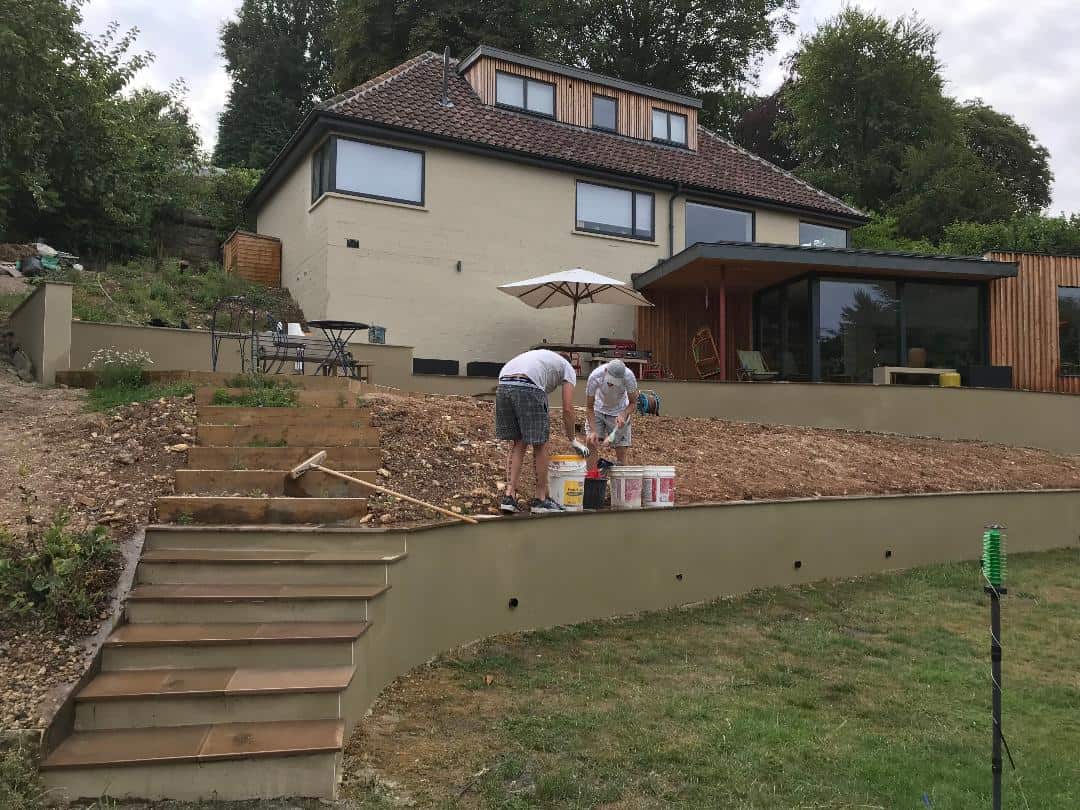
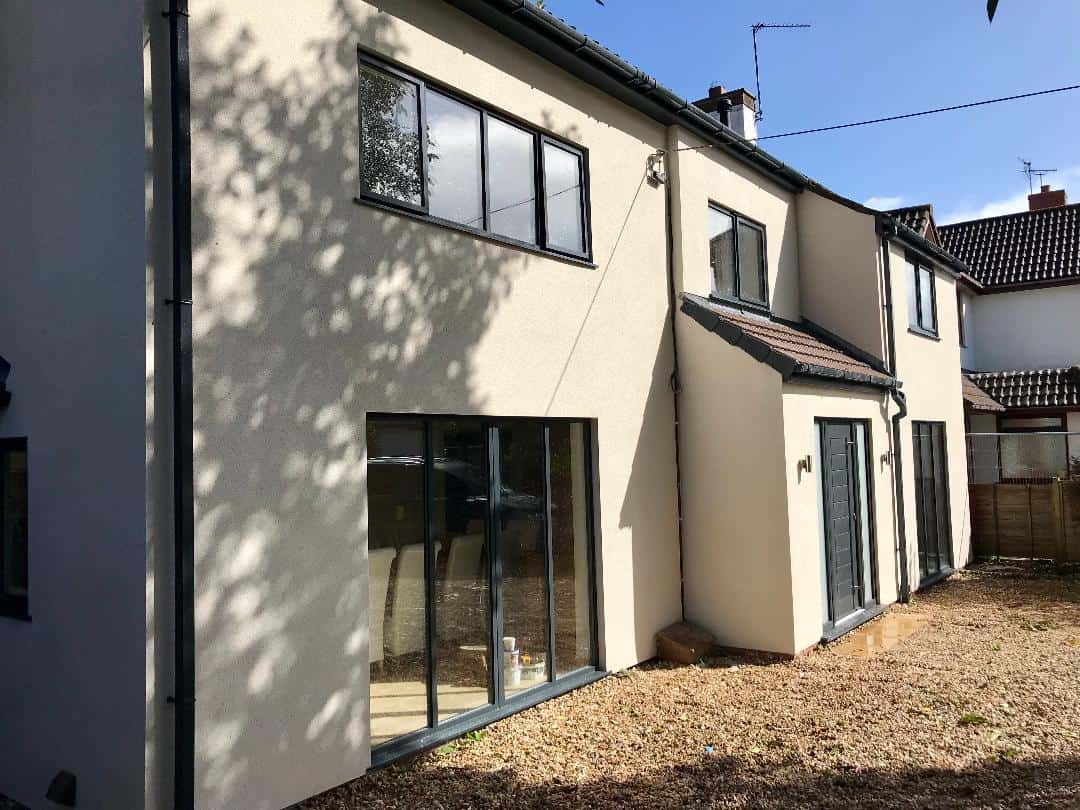
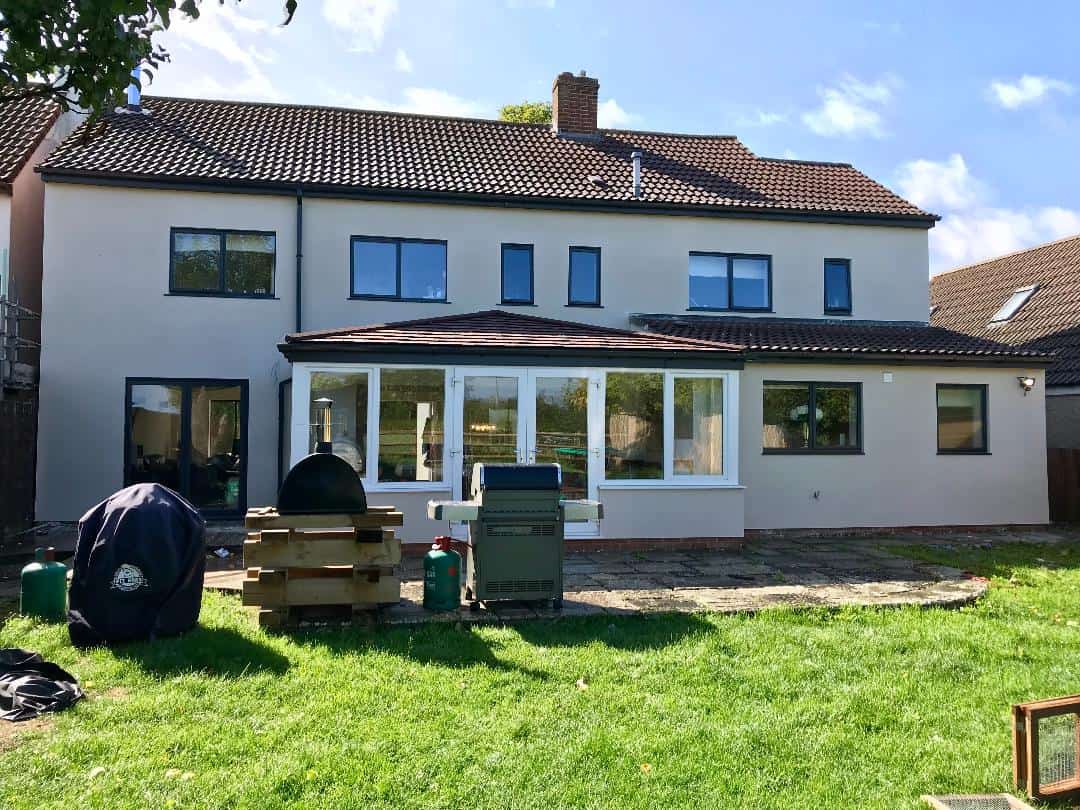
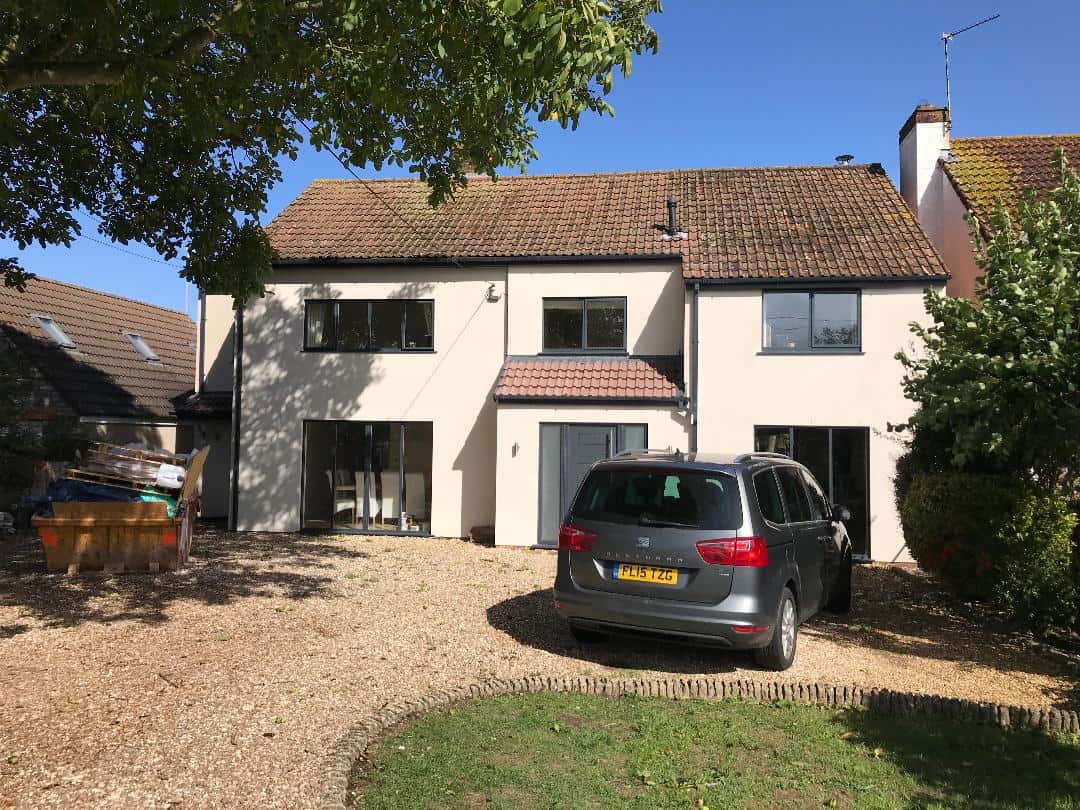
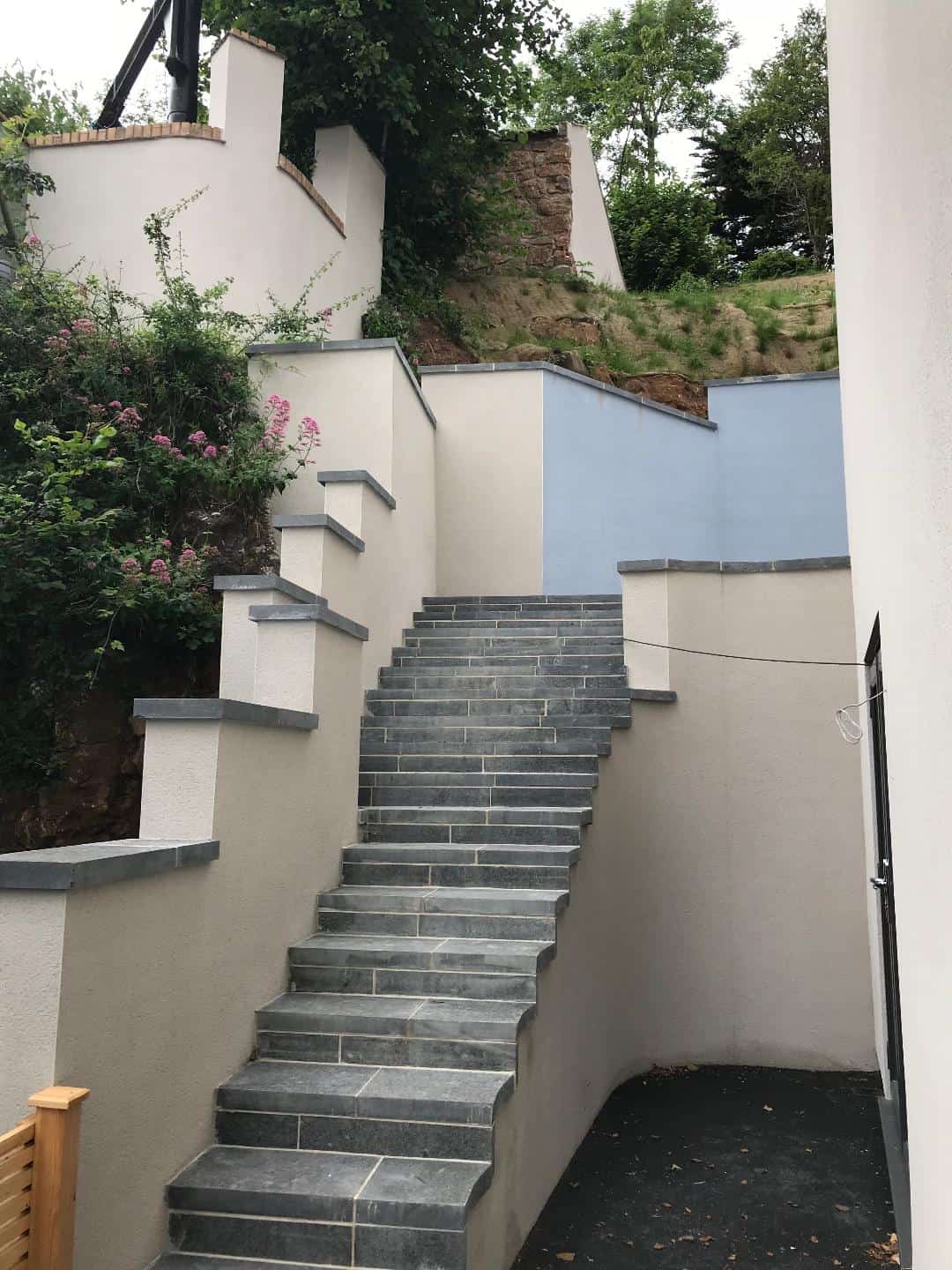
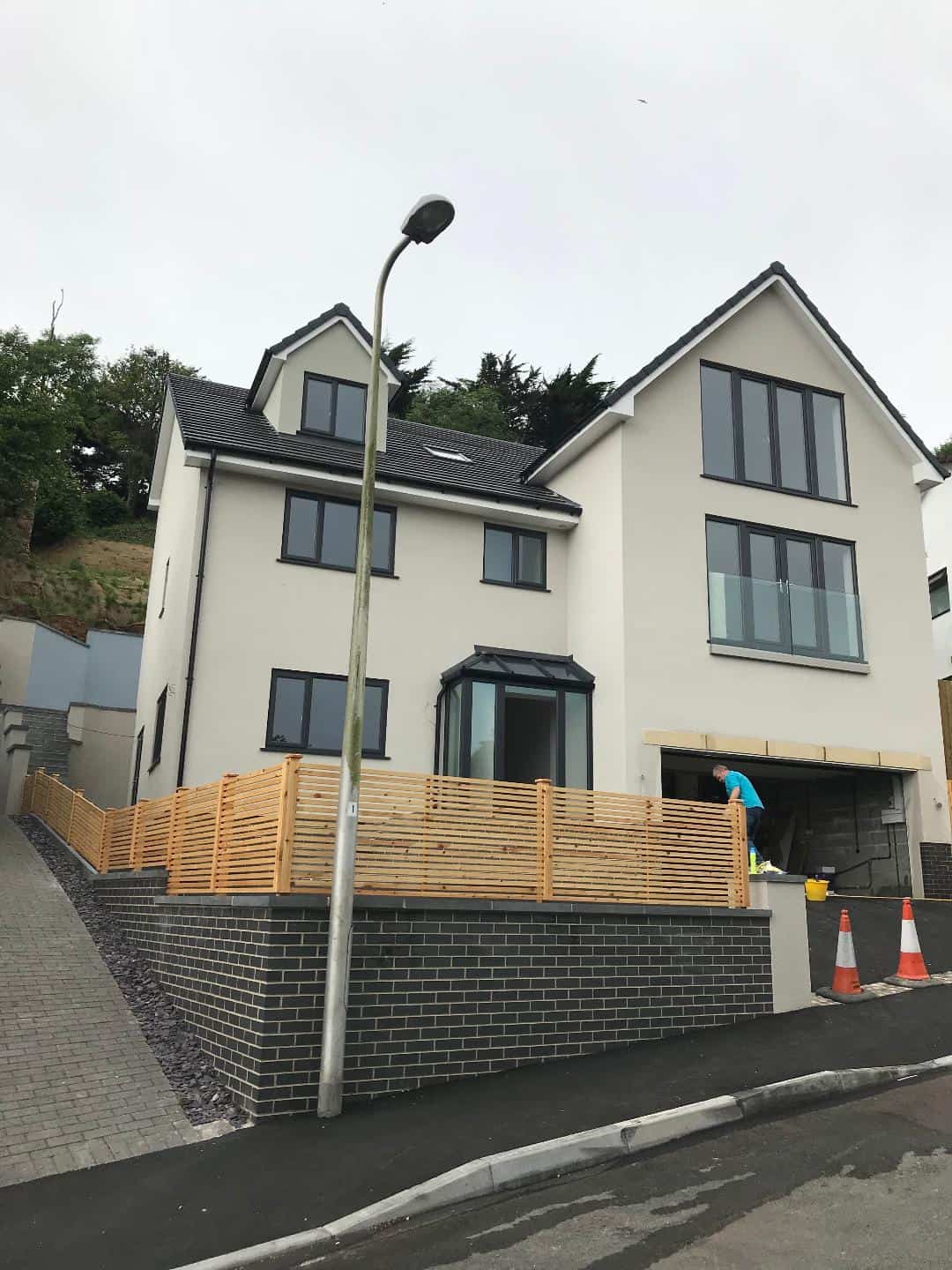
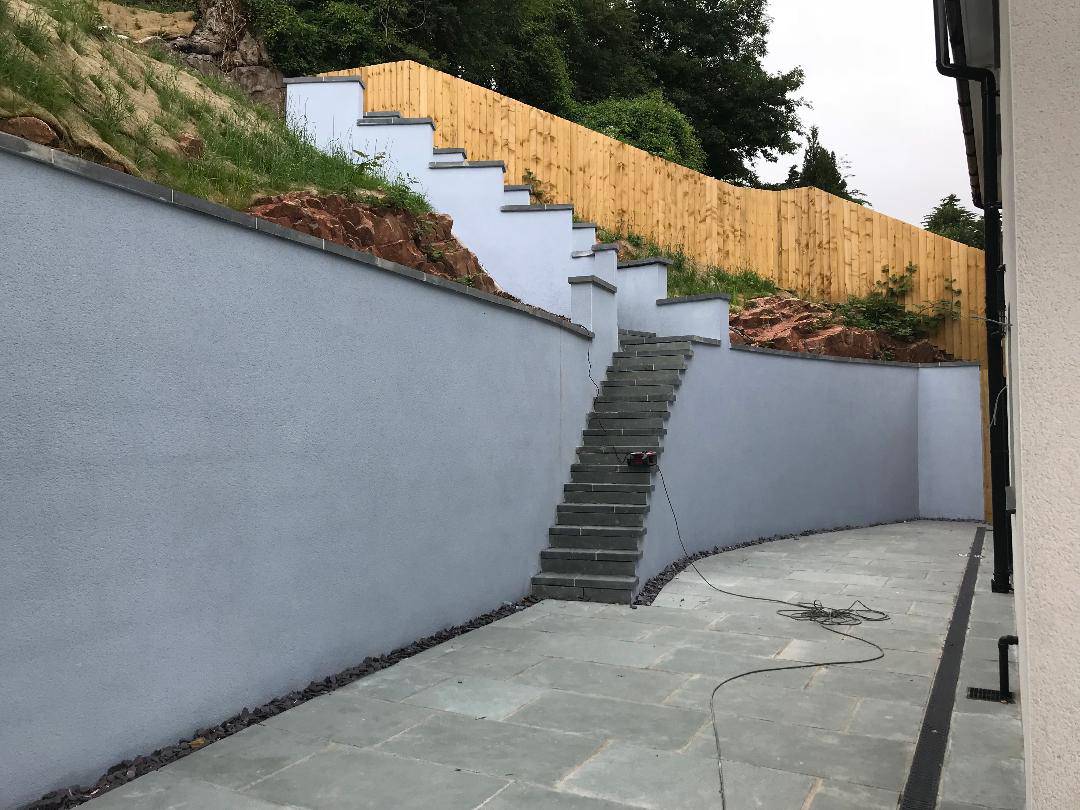
Rendering is used to upgrade the walls of a property that features brickwork or stonework. It’s a protective and decorative layer that covers the wall, and this can also be combined with a layer of external wall insulation.
Commercial rendering is used for commercial properties. Any business that owns a building with external walls, whether the building itself or standalone brick or stone walls, can benefit from rendering. It’s essential to have your commercial property looking great, especially if it’s client-facing. We have worked with every sector for commercial rendering, from offices, shops, and warehouses to government and municipal buildings. Contact our team to learn more about commercial rendering. No project is too big or too small for our rendering experts.
Rendering is the perfect opportunity to install external wall insulation. The insulation sits within the render and is then bonded to keep it secure. This can massively reduce your energy bill costs, with over 35% of heat loss being attributed to inefficient walls. Walls also sap the building’s heat, making it colder for longer in the winter and requiring the property to be heated for longer. Insulation is a great investment to consider when installing rendering. We highly recommend installing insulation when considering rendering, given the benefits. This is why it’s become so popular.
Plastering and rendering are very similar, but rendering is a more robust mix that is ideally suited for outdoor use, protects the property’s external walls, and provides additional weather resistance. Rendering also waterproofs the walls and offers a range of finishes, from smooth to more textured, once installed. This protects the walls from rainwater penetration and is also ideally suited for external wall insulation.
We have finance options available to help with the initial costs of investing in rendering and insulation. Insulation rendering enables you to slash energy bills, creating a warm home in winter and keeping the heat out in summer. This is why we offer finance: to enjoy the benefits of rendering immediately and then pay in manageable monthly repayments. Get in touch with our team to learn more and arrange your free quote.
The time required to install rendering depends on the size of the project and the surface area of the walls that will require rendering. This will vary from a few days to a week, with larger properties taking a week or more. Installing external wall insulation will also increase the project’s overall duration. We will always provide you with an accurate estimate of the project’s time and completion.
Yes, extreme weather conditions will unfortunately delay the project. Rendering is best completed in mild conditions, with extreme heat or cold affecting the time and effectiveness of the render to dry after it has been mixed and laid on the walls. We will always provide you with an accurate estimate of how long the project will take, as well as whether the weather is likely to delay it. Rain will also affect the project and the render’s effectiveness when installed.
If you have any concerns about preparing your wall before installation, we can help with this on the day of the site visit to install your new rendering or upgrade/remove old rendering. Thorough preparation is crucial when preparing for rendering, and the wall must be clean and free of dirt, moss, mould, and loose paint. Different base wall materials will need different approaches, so we will handle this during installation. For example, sandstone needs dampening, whereas concrete may require a bonding agent to improve adhesion after the render is applied.
Common types include: Cement Render (traditional, cost-effective, but can crack), Lime Render (breathable, ideal for older/solid walls), Acrylic Render (flexible, crack-resistant), Silicone Render (premium, self-cleaning, very weather-resistant, breathable), and Monocouche Render (pre-coloured, one-coat application).
2-3 coats are usually applied for regular rendering: a scratch coat and a thicker top coat. A base coat is often needed for poor-quality walls that require reinforcement or forming to fit the new wall better. Render such as monououche is pre-coloured and only requires one coat. We will discuss the available finishes and install them at the end of the project with the top coat. In some cases, a base coat may also be applied to different walls to improve their look.
A scratch coat is the first coat; this is applied firmly and then scratched or scored onto the wall. This scratching pattern (from which the coat is named) creates a rough surface that supports adhesion for the second coat of render.
The top coat is the final, decorative layer of a multi-coat rendering system, applied over a base coat or scratch coat. The top coat adds extra durability and water resistance. The base coat is based on strength, whereas the top coat provides a lovely, clean, finished texture.
Yes, rendering, especially insulation rendering, is well known to increase property value. This is because you are investing in the property’s overall look and style, and insulation slashes energy bills. For less efficient homes, this increases the value even further, as you are investing in the property’s energy efficiency and saving even more on heating bills.
The cost of the project will depend on the surface area being rendered, whether you choose insulation, and the finishes and materials you select. You will make significant returns on your investment, primarily when investing in external wall insulation. If you have very inefficient walls, you could slash your heating bills by up to 35% each year. During your free quote, we will provide you with different options to suit your budget and discuss the various benefits of rendering and insulation rendering.
Rendering requires some maintenance after it’s installed to maintain the longevity of your walls. You also need to keep an eye on your walls, especially after extreme weather events, to ensure that the render isn’t damaged and needs repair. Because render is the first line of defence against the elements, it gets exposed to them, so you need to make sure it’s protected. Regular cleaning to prevent the buildup of dirt, moss, and algae, and periodic structural checks for cracks or damage are required. Cleaning can be done with a pressure washer on a low setting or mild detergent to keep your walls looking as good as possible.
When rendering is blown, the render detaches from the wall it’s bonded to. To test this, the render is tapped, producing a hollow sound. It is generally caused by poor adhesion due to contamination, inadequate preparation, or moisture/frost damage behind the render.
Small cracks can be cleaned and then filled with a flexible filler. Larger or structural cracks usually require removing the damaged render section, addressing the underlying issue (if any), and applying new render. We will also need to sort this out if there is insulation within the rendering, as it may be compromised and require repair or replacement.
When installed correctly, your render should last 20 to 30 years without needing a complete repair or replacement. To ensure your render lasts as long as possible, you will need to maintain the wall by cleaning it and reporting any damage to our team before it worsens.
If your render is installed correctly, it will be significantly protected from cracking. This is why we always warn you to be wary of cheap quotes, as you will have to pay much more to have poor render repaired and replaced with proper rendering rather than trying to cut costs. If a quote for render sounds too cheap, then it’s sadly too good to be true, and the render will likely crack after installation and won’t be protected. Poor installation and rapid drying that wasn’t properly carried out are the primary sources of cracks.
Sometimes the render cracks even after a professional, careful installation. Extreme temperature variations can increase the risk of cracking and structural movement (subsidence) in the building. This is less likely to occur in exterior walls that aren’t part of a building, whereas buildings are more at risk.
Staining is quite common on north-facing walls and on walls that are exposed or susceptible to damp. Breathable rendering systems are recommended and installed for high-risk walls that may be prone to these problems. You should also make sure you regularly clean your new render with biocide or fungicidal cleaning products to prevent mould and moss from taking hold on and in your walls.
We work with a wide range of industry-leading manufacturers to offer a wide range of finishes for our clients. If you have brick or stone walls, you can enhance their look to pretty much any style you like. This is rare in that you can create a modern or traditional aesthetic depending on the building and your personal preference. We will work with you to choose the best finishes for your property, home, or commercial building.
Rendering improves the appearance of properties and enhances their durability. This enhances the property while protecting it from long-term environmental damage. This is very important for older buildings, which can significantly benefit from improved efficiency, protection, and enhanced exterior appearance. All of these lead to extending the building’s lifespan and increasing its overall value.
Yes, one of the most common repairs or upgrades that we undertake is replacing old render with new render. To apply a new coat, we will need to assess whether the existing render is sound (not loose or unbonded) by tapping it and listening for hollow sounds. We ensure that the new render is compatible and breathable before installation. This prevents moisture from being trapped after the new render is applied. In most cases, we will remove all the old render and start again, as this is much better and ensures there are no problems. We will assess the render’s quality and then advise you on all relevant options, providing an unbiased, fair assessment.
Yes, rendering enhances your property and makes it a lot more appealing to potential buyers. Combining rendering with EWI increases the property’s insulation. This saves you more on energy bills each year, making the property more valuable, as you will expect to pay fewer bills.
Rendering makes your property or external walls look fantastic, and you can choose the finish that best suits you. Run-down or damaged/neglected walls aren’t going to look appealing, so upgrading your walls increases your property’s overall kerb appeal.
A coloured rendering is recommended over painting, as it requires less maintenance. You will have to paint your render every few years rather than use a permanent coloured finish.
Rendering provides an additional layer of protection. This weatherproofs the wall and is vital when you are rendering the external walls of an outbuilding or property.
When you choose insulation rendering, you significantly increase the building’s energy efficiency. Rendering on its own will also improve energy efficiency. Still, it’s highly recommended to install external wall insulation or insulation rendering if efficiency is a concern and one of the main reasons that you are rendering your walls.